It only took me 58 years to understand money
It has taken me 58 years to really start understanding money.
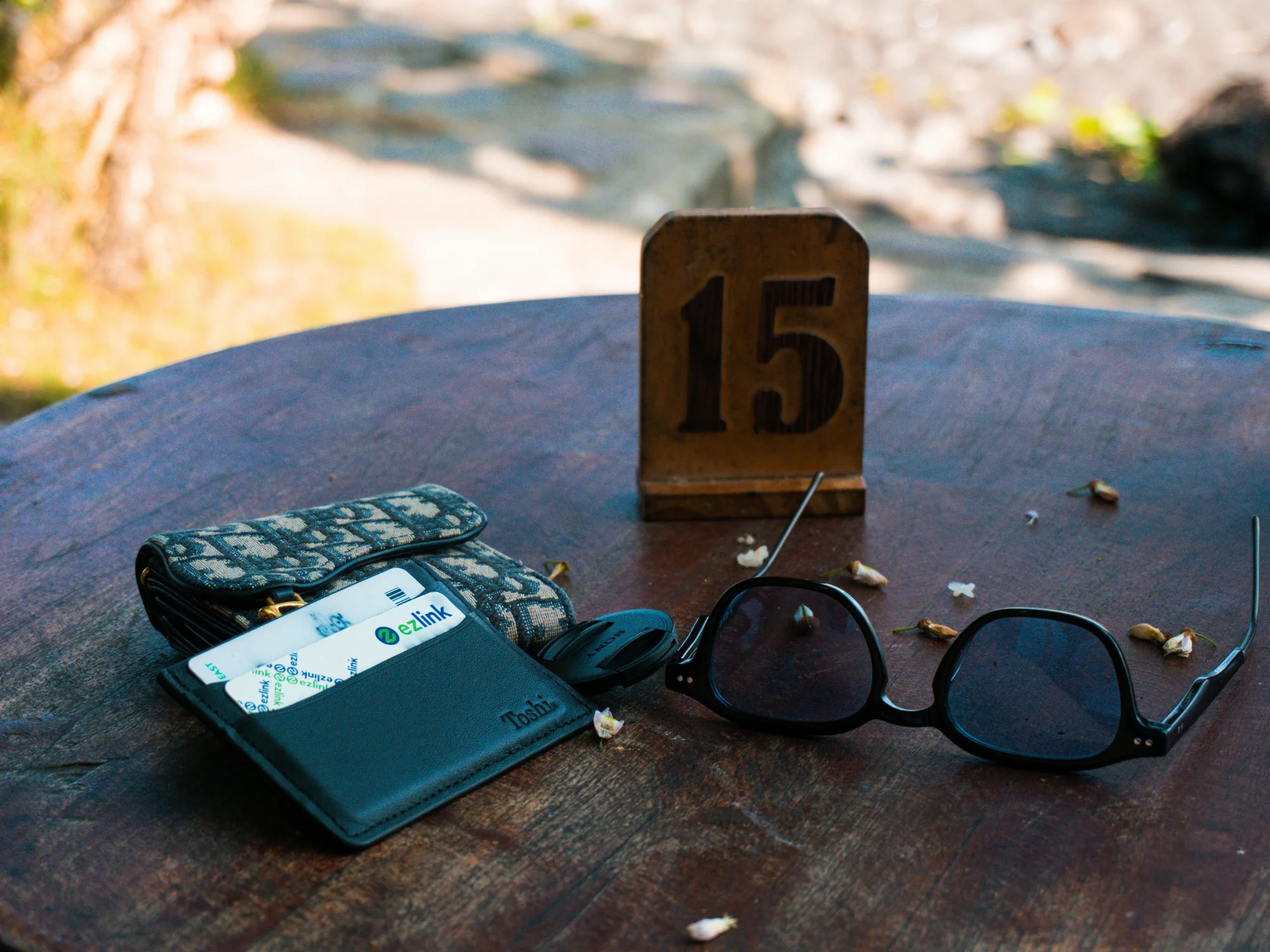
Photograph: Tomoki Iwata / Unsplash
I've been listening to an audiobook this week about the psychology and philosophy of money, and I find it fascinating. Not because it's teaching me how to become rich or telling me where I should invest, but because it's made me look at my own relationship with money and where that relationship came from.
We all grow up with different experiences of money. Our family, culture, circumstances, and even the period in which we were born shape what money means to us. Some grow up where there isn't enough. Others grow up surrounded by it. Some families talk openly about money and others barely talk about it at all. And somehow we carry a lot of that into adulthood without necessarily realising it.
My own relationship with money has been a strange one because, somehow, it has always seemed to be there when I needed it. Not that I've lived an affluent life with an endless supply of money, but something would happen. A pay rise might come along, a bonus, a project win, perhaps a loan or access to a credit card. There always seemed to be a way.
I suppose that created a certain relationship with money for me. Why worry too much about tomorrow when, historically, something had always turned up?
Amanda understood things differently. About five years ago she started putting systems in place around our finances and saving. And I resisted it. I didn't want someone telling me what I could and couldn't do with my money. I didn't want to feel controlled. There was probably a little bit of rebellion in there too. Actually, probably quite a lot.
The funny thing is that over time I started noticing something. Having those systems wasn't taking away my freedom at all. It was giving me more of it.
There was less of that background worry about whether the money would be there when we needed it. We could see what we had, what we didn't have, what we could spend and what we couldn't. We were less dependent on the possibility of a loan, a credit card or something unexpectedly turning up.
And I felt calmer.
That's probably the part I've taken 58 years to understand. I had associated financial freedom with being able to spend my money without someone telling me what to do with it. I'm beginning to see freedom very differently. For me now, there is something incredibly freeing about knowing where I stand.
Amanda and I were talking about this and found ourselves wondering what the world would look like if credit didn't exist. No credit cards, no loans, no buy now and pay later. If you wanted something, you either had the money or you didn't.
I'm not suggesting we should abolish credit. Credit can enable people to buy homes, build businesses and do things that might otherwise be impossible. But the conversation made me wonder how differently we might behave if borrowing wasn't always sitting there as an option. Would we think differently about what we bought? Would we wait longer? Would we ask ourselves whether we actually needed something?
It also made me think again about something I've wondered about for years. Why don't we spend more time teaching children about money?
Not simply maths, but money. Saving. Borrowing. Interest. Credit. Debt. The emotional side of spending. Why we sometimes buy things we don't need. Why having more can become connected to status or success. Why two people earning exactly the same amount of money can have completely different relationships with it.
I don't know why we don't do more of that, and I'm wary of jumping to the conclusion that there is some system deliberately trying to keep us financially naive. Financial institutions undoubtedly make money from lending and other financial products, but our relationship with money is far more complicated than that.
What I can look at is my own life.
I've realised that for much of it, I probably confused access to money with financial security. If money could always be found somewhere, I felt okay. But there was never any certainty in that. The next bonus isn't guaranteed. The next project might not arrive. Credit eventually has to be repaid.
At 58, I think I'm finally beginning to understand that knowing what I have, living within it and putting something aside doesn't make me feel restricted.
It makes me feel peaceful.
And perhaps that's the biggest surprise of all. The financial systems I once thought would control me have actually given me a greater sense of control over my own life.
It only took me 58 years.
Stefan
Something to sit with
What did you learn about money growing up that you might still be carrying today?
There's no right answer, and nothing to send back. Just a question worth carrying into the week.